What if your morning “commute” was a bike ride to a shell-strewn beach, with spoonbills feeding in the mangroves and dolphins cruising the Gulf? If you are weighing a move or a second home on Sanibel Island, you likely want that nature-first lifestyle without sacrificing daily convenience. In this guide, you will learn what everyday life looks like, where locals go, how the island’s conservation rules shape recreation, and the key checks to make before you buy. Let’s dive in.
Where Sanibel sits and how you get around
Sanibel is a barrier island off the coast of Fort Myers, connected to the mainland by the Sanibel Causeway. Vehicles pay a one-way toll when entering the island, so build that into your regular budget and check the county’s current rates and payment options on the official toll page from Lee County.
The island is compact and easy to navigate, with Periwinkle Way serving as the main commercial corridor. The nearest major airport is Southwest Florida International Airport in Fort Myers, with a typical 30 to 50 minute drive to the causeway depending on traffic and your exact start point.
Everyday rhythm: season, pace and vibe
Sanibel has a calm, small-town feel with a year-round population in the low thousands. “Season” runs during winter and early spring, when snowbirds arrive and restaurants and bike paths feel busier. Summer and fall are quieter, warmer and more humid.
Hurricane season runs June 1 through November 30 each year. Stay weather-aware with official guidance from the National Hurricane Center. That seasonal rhythm influences insurance, building design and community planning, and it is part of daily life here.
Neighborhood feel and housing
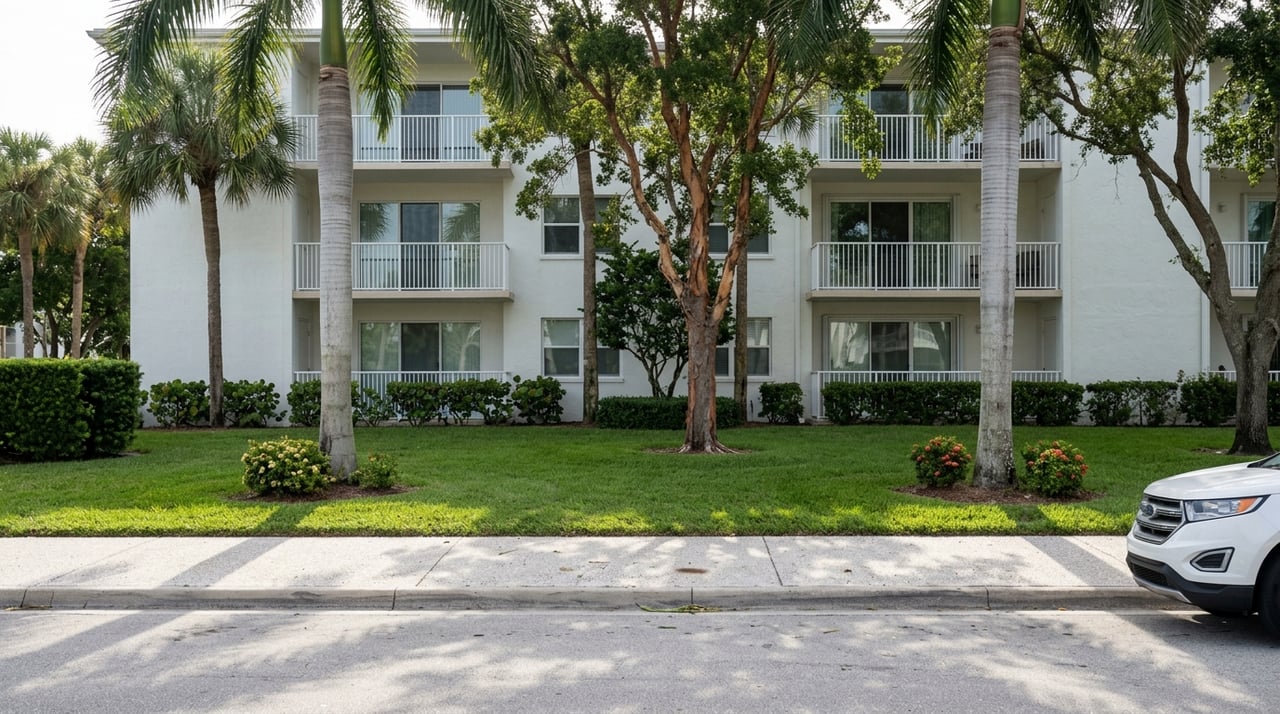
Sanibel’s neighborhoods are low-rise and leafy. You will find single-family homes, duplexes and low-rise condos rather than tall towers, a reflection of local planning preferences that protect the island’s character. Prices vary widely by proximity to the beach or bay and by property updates.
Typical buyers include second-home owners, retirees, families who value a small K–8 school and investors who focus on managed vacation rentals. Recent industry snapshots placed Sanibel’s median sale price around about $880,000 in early 2026, though prices shift with inventory and season.
Beaches you will visit most
Sanibel’s public beaches each have their own vibe. Local favorites include Bowman’s Beach, Lighthouse Beach Park, Gulfside City Park and the Blind Pass area near Captiva. For an overview of beach access points and characteristics, review this practical guide to Sanibel and Captiva beaches.
- Bowman’s Beach: long, scenic stretches, great shelling after storms.
- Lighthouse Beach Park: iconic views and an easy walk to the water.
- Gulfside City Park (Algiers): family-friendly facilities and broad sand.
- Blind Pass: strong currents, but often exceptional shelling after wind shifts.
Parking at public beaches typically uses pay systems. Check current fee signs and posted rules when you arrive.
Shelling 101: culture and rules
Sanibel’s unique east-west orientation and nearshore currents make it one of the best shelling destinations in the world. Many residents time their walks to low tide or the morning after a storm. You will notice the “Sanibel stoop” everywhere, from kids to retirees.
Follow simple etiquette so shelling stays sustainable. Collect empty shells only and leave live animals or egg masses in place. For programs, family-friendly walks and shell identification, explore the Bailey-Matthews National Shell Museum. During nesting season, follow sea turtle lighting and furniture rules and check guidance from the Sanibel-Captiva Conservation Foundation.
Wildlife on your doorstep
The J.N. “Ding” Darling National Wildlife Refuge anchors Sanibel’s conservation identity. Its Wildlife Drive winds through mangroves and tidal flats and can be explored by car, bike or on foot. Birders regularly spot herons, egrets, spoonbills and seasonal migrants. Before you go, review visitor info and rules from the U.S. Fish & Wildlife Service at Ding Darling.
Respect wildlife by observing at a distance, never feeding animals, and obeying posted closures. The island’s conservation partners offer education programs, volunteer opportunities and citizen science that make nature part of daily life.
Daily essentials: groceries, school and care
Groceries and essentials are available on-island through local markets and general stores, and you will find restaurants, coffee and services along Periwinkle Way. For bigger shopping trips, specialty services and many contractors, residents often drive to Fort Myers.
Families appreciate having a well-regarded public K–8 on the island at The Sanibel School. High school students attend designated Lee County schools on the mainland. Healthcare is a mix of island clinics for routine needs and full-service hospitals and specialists in Fort Myers; review locations through the Lee Health network.
Biking is part of everyday life here. Sanibel maintains roughly 24 to 26 miles of paved shared-use paths that make it easy to reach beaches, shops and parks without a car. If you are new to the island or visiting, the Chamber maintains helpful tips and rental resources on the bike paths and rentals page.
Conservation culture: turtles, lighting and community pride
Sea turtles nest on Sanibel each year, and community volunteers monitor hundreds of nests over the season. Beach lighting rules, furniture removal at night and leash compliance protect nesting females and hatchlings. For seasonal updates and how you can help, follow the Sanibel-Captiva Conservation Foundation.
You will also hear about wildlife rescue and rehabilitation throughout the year. Residents are encouraged to call local experts if they encounter injured animals and to avoid handling wildlife directly.
Is Sanibel right for you
Sanibel suits you if you want beaches, shelling, biking and a slower, nature-centered pace. You will trade late-night entertainment and big-box shopping on-island for quiet streets, dark skies and abundant wildlife.
Compared with nearby islands and beaches, Sanibel leans residential, low-rise and conservation-minded. Captiva has a smaller footprint with a more resort-focused feel in places, while Fort Myers Beach and Naples offer more high-density lodging and nightlife. Many buyers find Sanibel ideal as a full-time retreat or seasonal base with easy access to mainland amenities.
Buyer checklist for island homes
Use this quick list as you evaluate properties and plan next steps.
- Flood risk and insurance: Check your exact parcel’s flood zone, request elevation certificates and get quotes for both NFIP flood coverage and wind or hurricane policies. FEMA’s updated Risk Rating 2.0 changed how premiums are calculated. A local briefing on the topic is summarized here.
- Wind mitigation and building features: Ask about impact-rated windows and doors, roof tie-downs and recent retrofits or rebuilds. These items can affect both safety and insurance costs.
- HOA and rental rules: Verify condo or community documents, short-term rental policies, permit requirements and any city code restrictions before you model rental income.
- Access costs and logistics: Factor the one-way causeway toll into routine trips and plan for occasional seasonal crowds. Review current rates with Lee County tolls.
- Services and supply realities: Expect to use mainland hospitals, specialty clinics, large-scale shopping and some contractors. Plan ahead during peak season or after major storms.
Ready to explore Sanibel homes and get a clear plan for location, pricing and rental potential where allowed? Reach out to Rachel Rose-Danzi for concierge-level guidance and fast, text-first service. Text Me Today — (239) 686-TEXT.
FAQs
Is Sanibel Island a good place to raise kids?
- Many families value the small public K–8 on-island, outdoor education and community events, with high school attendance on the mainland through Lee County.
Do you need flood insurance for a Sanibel home?
- Most coastal properties will require or strongly benefit from flood insurance, but the cost depends on elevation, location and claims history, so get quotes early in your search.
How do you get around Sanibel without a car?
- You can rely on biking for many errands using about 24 to 26 miles of paved shared-use paths, plus short drives when you need mainland services.
Is shelling legal on Sanibel’s beaches?
- Yes, as long as you collect only empty shells and leave live creatures and egg masses in place, and follow posted beach and wildlife rules.
What is the nearest major airport to Sanibel?
- Southwest Florida International Airport in Fort Myers, with a typical 30 to 50 minute drive to the causeway depending on traffic.